
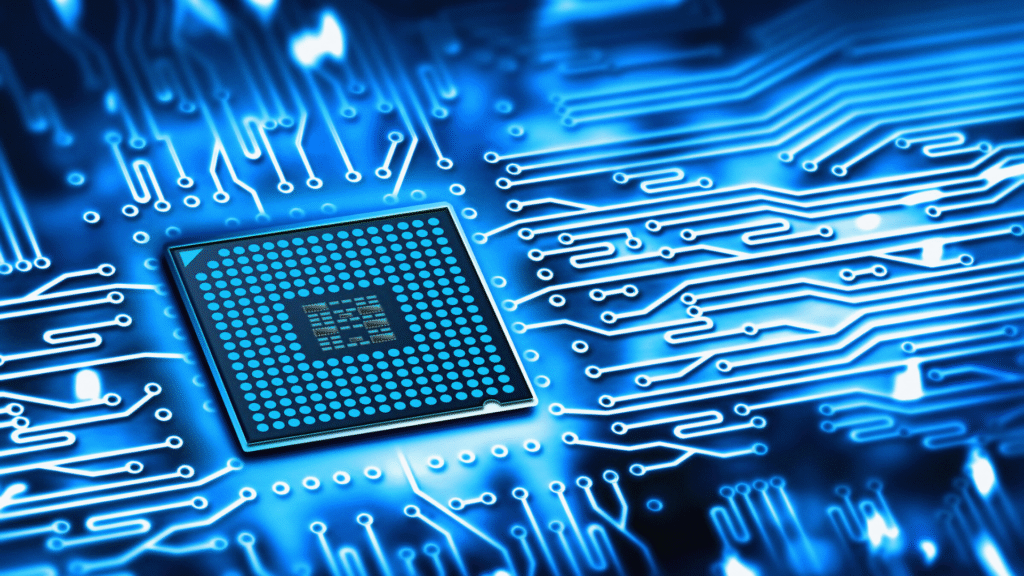

In today’s technology landscape, the synergy between hardware and software plays a critical role in shaping innovation. Effective hardware-software integration enhances system performance, optimizes resource utilization, and fosters seamless user experiences. This integration is essential not only for cutting-edge applications but also for reliable everyday technology.
As devices become more complex, the collaboration between components and programming becomes more intricate. When hardware and software work in harmony, the potential for advancements in fields such as artificial intelligence, IoT, and smart devices increases significantly. A strong alignment ensures that both hardware capabilities and software functionalities complement each other.
Understanding the significance of this integration can provide insights into the future of technology development. Companies that prioritize cohesive hardware-software solutions are better positioned to lead and innovate, driving advancements that meet evolving consumer needs.
Fundamentals of Hardware-Software Integration
Hardware-software integration encompasses the collaboration between hardware components and software applications. This partnership is critical for optimizing performance, enhancing functionality, and ensuring compatibility across systems.
Defining Hardware-Software Integration
Hardware-software integration refers to the seamless interaction between physical devices (hardware) and programs or applications (software). It is fundamental in designing systems where hardware must perform specific tasks dictated by software instructions.
The integration process involves multiple layers, from device drivers that allow the operating system to communicate with hardware to the application level, where software dictates how hardware operates. This interaction enhances the capabilities of devices and enables complex functions, such as data processing and real-time analysis.
Essential Principles and Architecture
Several principles guide effective hardware-software integration. Modularity allows components to be developed independently, promoting easier updates and maintenance. Standardization ensures different hardware and software can work together, reducing compatibility issues.
Architecture plays a critical role, using layers such as the hardware layer, firmware, operating system, and application layer. Each layer serves specific functions and facilitates communication between others. This organized structure allows for flexibility and scalability, vital in evolving technological landscapes.
Common Integration Models
Integration models vary based on the complexity and requirements of the system. Embedded Systems integrate software directly within hardware, such as in appliances or medical devices, allowing for dedicated functionalities.
Client-Server Models connect hardware devices as clients accessing resources and services provided by software servers. This model is prevalent in networked computing environments.
Microservices Architecture divides software into small, interconnected services, allowing hardware to interact with specific functions independently. This model enhances development speed and operational efficiency, crucial for modern applications.
Benefits of Seamless Hardware-Software Integration
Seamless integration between hardware and software significantly enhances system capabilities. It leads to improved system performance, increases productivity, and boosts efficiency. The following points detail specific benefits derived from this integration.
Enhancing System Performance
Seamless hardware-software integration optimizes the interaction between components, resulting in enhanced system performance. When hardware and software operate cohesively, response times decrease, and processing speeds increase. This synergy reduces bottlenecks often caused by mismatched components.
For example, integrated systems can dynamically allocate resources to critical tasks, ensuring smoother operations. Additionally, optimized drivers and firmware increase hardware utilization, translating to faster calculations and better multitasking. Users experience fewer glitches and higher reliability, crucial for demanding applications such as gaming or data analysis.
Driving Productivity Gains
A well-integrated system directly contributes to productivity gains. With hardware and software working in tandem, users can perform tasks more efficiently. Streamlined workflows reduce the time spent on repetitive tasks, allowing employees to focus on more strategic activities.
For instance, using specialized software that harnesses hardware capabilities can improve task execution speed. Organizations often report higher output levels when teams utilize integrated solutions. Real-time collaboration features can further enhance teamwork and decision-making.
Improving Efficiency and Cost-Effectiveness
Seamless integration leads to improved efficiency across operations, resulting in significant cost savings. Reduced energy consumption arises from better resource management, as systems allocate power efficiently.
Moreover, fewer hardware and software conflicts minimize maintenance costs. Organizations can lower operational expenses by investing in well-integrated solutions that require less oversight. Long-term, the combination of reliability and efficiency leads to lower total cost of ownership (TCO). These benefits assure stakeholders that the investment in effective systems pays off over time.
Challenges and Best Practices in Integration
Integrating hardware and software presents several challenges, alongside effective strategies to address them. Identifying compatibility, ensuring scalability, and adopting continuous integration techniques are crucial for successful integration.
Overcoming Compatibility Issues
Compatibility issues frequently arise due to differing standards and protocols between hardware and software. Manufacturers must focus on providing clear documentation and reliable APIs to facilitate integration.
Utilizing middleware can bridge gaps between systems, allowing for seamless interaction. Regular testing during development ensures that both software and hardware can operate in conjunction without significant errors.
Establishing a common framework for communication and data exchange simplifies the integration process. Collaboration with partners and suppliers can also enhance compatibility, as it promotes adherence to industry standards.
Ensuring Scalability and Flexibility
Scalability is vital for long-term hardware-software integration. As technology evolves, systems must adapt to increasing demands. Designing with modular components allows for easy upgrades without overhauling entire systems.
Incorporating cloud-based solutions can enhance flexibility, enabling on-demand resources as needs grow. This approach facilitates integration with new software applications and hardware devices over time.
Regular assessments of the architecture are necessary to ensure ongoing compatibility with emerging technologies. Organizations should prioritize solutions that maximize both scalability and seamless integration.
Adopting Continuous Integration Approaches
Continuous integration (CI) practices streamline the integration process by allowing for frequent code updates and automated testing. This practice minimizes integration problems by identifying issues early in the development cycle.
Implementing CI tools helps synchronize software updates with hardware modifications effectively. These tools automate testing and deployment, reducing downtime and facilitating smoother operational workflows.
Moreover, fostering a culture of collaboration among cross-functional teams enhances the integration process. Encouraging open communication enables team members to address potential issues proactively, resulting in efficient integration outcomes.
Future Trends and Innovations in Hardware-Software Integration
The landscape of hardware-software integration is evolving rapidly. Notable advancements are being driven by emerging technologies and industry-specific requirements, paving the way for significant impacts on business operations and technological capabilities.
Emerging Technologies Shaping Integration
New technologies like Artificial Intelligence (AI), Internet of Things (IoT), and edge computing are transforming hardware-software integration. These innovations create smarter systems that analyze data and act in real-time.
- AI and Machine Learning: These technologies enable systems to adapt and optimize performance without manual intervention.
- IoT Devices: Increased connectivity allows for seamless interaction between hardware and software, improving efficiency and user experience.
- Edge Computing: Processing data closer to the source reduces latency and makes applications faster.
These technologies are hallmarks of next-generation integration strategies, offering businesses enhanced capabilities.
Industry-Specific Integration Developments
Different industries are adopting unique approaches to hardware-software integration, catering to their specific needs. For example:
- Healthcare: Integration of medical devices with cloud-based software enhances patient monitoring systems, enabling remote patient management.
- Manufacturing: Smart factories use integrated systems to streamline operations, minimize downtime, and improve supply chain efficiency.
- Automotive: Advanced driver-assistance systems (ADAS) rely on integrated hardware and software to increase safety and automation features.
These developments illustrate how tailored solutions can drive growth and enhance operational efficiency within sectors.
Predicting Future Impact on Business and Technology
Future innovations in hardware-software integration are expected to reshape entire industries. Predictions suggest:
- Increased automation will reduce operational costs while improving productivity.
- New business models will emerge, focusing on subscription-based services and real-time data analytics.
- Enhanced cybersecurity measures will be essential as integrated systems become more complex.
Organizations that invest in these integration trends will likely gain a competitive advantage in their sectors. The impact will extend beyond traditional boundaries, influencing consumer experiences and operational processes.


